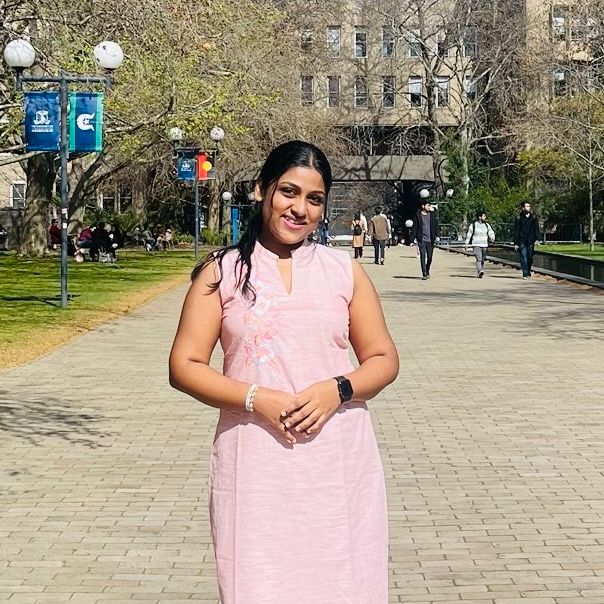
Developer Team
Meet the ResQ student development team.
Project purpose, system architecture, engineering approach, and development status
ResQ is a smart CPR training system developed to make manikin-based practice more objective, measurable, and accessible. The project combines mechanical design, embedded sensing, firmware, local networking, backend software, data storage, and web-based dashboards into one integrated training platform. Its purpose is to support instructors and trainees with immediate CPR performance feedback while keeping the system affordable and usable without internet access.
CPR is a technique-sensitive skill. Trainees need to maintain suitable compression depth and rate, allow full recoil, minimize interruptions, and use correct hand placement.
In conventional training, these qualities may be judged mainly through observation, creating several limitations:
ResQ was developed to address these limitations using a retrofit approach rather than requiring a complete replacement manikin.
ResQ consists of five closely connected parts working together as an integrated platform:
A soft chest overlay containing a TPU air-bladder structure and pressure-sensing zones. A Hall-effect sensor and magnet arrangement measures chest displacement. It fits over existing manikins to measure compression pressure, balance, depth, and chest return over repeated training sessions.
The embedded controller reads sensors, manages calibration, detects device and session states, calculates CPR metrics, and communicates with LocalHub. Includes status LEDs, control buttons, a cadence buzzer, Wi-Fi connectivity, and dual operational modes (SENSOR / USB).
A Tauri-based desktop application providing a one-click local training environment. It supervises the local MQTT broker, Spring Boot backend, dashboard services, and network health while offering QR-assisted workflows to minimize setup friction.
Web-based dashboards providing real-time telemetry. Instructors can pair manikins, manage sessions, and monitor trainees concurrently. Trainees receive live feedback on depth, rate, recoil, pauses, and hand placement alongside personal session summaries.
Core training data is saved locally on the instructor's computer, enabling offline deployment in outreach locations or skills labs. Optional cloud synchronization can be enabled for long-term analytics without blocking offline operations.
All time-sensitive communication takes place over a local Wi-Fi network (MQTT to backend). This provides low communication delay, zero dependence on internet connectivity, easier remote deployment, and full local data control.
ResQ uses configurable, rule-based evaluations rather than an unexplained black-box score. Metrics explicitly break down depth range, rate cpm, recoil completion, pause durations, and pressure distribution.
Decoupled design across overlay, firmware, communication, backend, desktop host, dashboards, and storage layers allows individual components to be updated, tested, or replaced independently.
Manage devices, start sessions, monitor several trainees simultaneously, identify error patterns, and review historical results.
Receive immediate visual feedback during practice and review completed session summaries to target specific technical improvements.
Manage users, system roles, system settings, connected devices, and audit-related training records.
Perform calibration, hardware diagnostics, network setup, firmware updates, and ongoing device maintenance.
Deploy multi-station CPR setups in skills labs, university medical faculties, first-aid programs, and community camps.
Wearable overlay prototype completed with TPU air-bladder, pressure sensors, Hall-effect sensing, and defined ESP32-C3 firmware state machine.
Implemented local MQTT telemetry, command handling, device provisioning, backend registration, auto-calibration, and readiness checks.
Developed Tauri Windows LocalHub, local Spring Boot backend, session persistence, role-based access, and real-time instructor/trainee web dashboards.
Implemented live CPR metric calculation, fault/interruption recovery, CSV/JSON data exports, and comprehensive technical documentation.
Meet the ResQ student development team.
Meet the mentors guiding our team.