Development Blog

Key milestones and progress updates for the ResQ project.

Mock Proposal Session — Early-Stage Validation

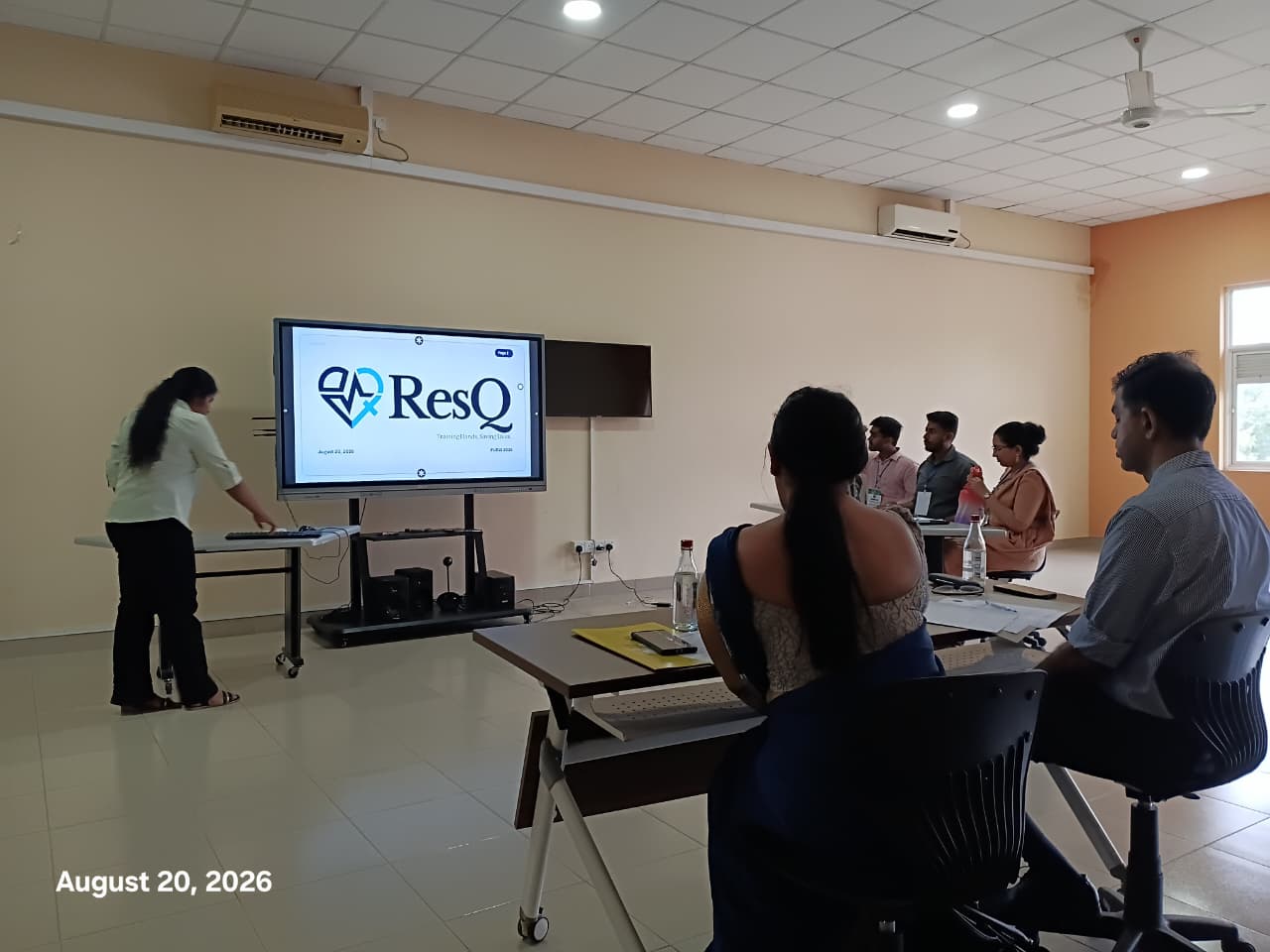
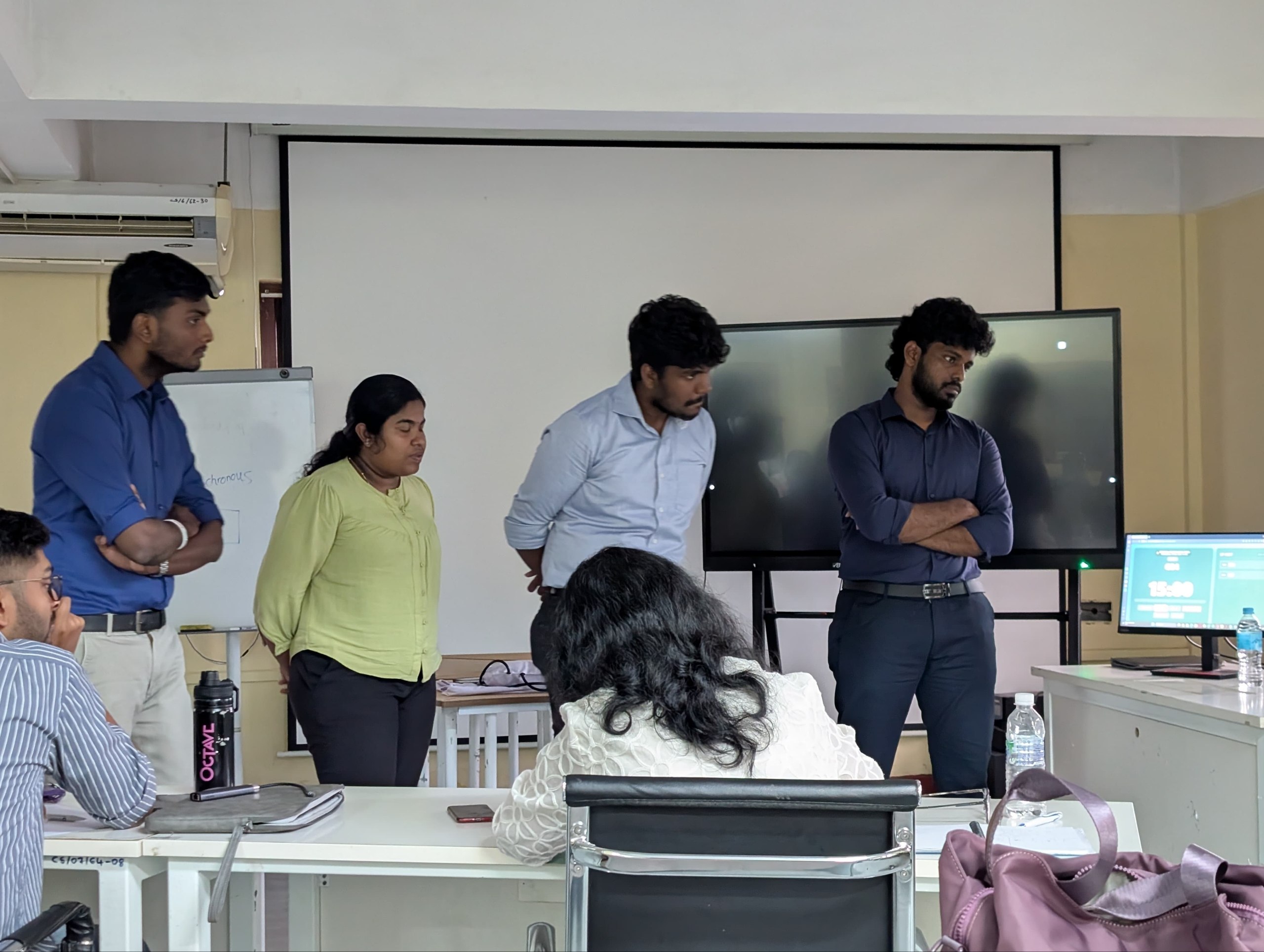
We presented ResQ to temporary instructors of the Department of Computer Engineering, University of Peradeniya, to validate feasibility and gather early technical feedback.

As part of the early-stage validation of our project, a mock proposal session was conducted to present ResQ to the temporary instructors of the Department of Computer Engineering, University of Peradeniya.

The session aimed to evaluate the feasibility, technical soundness, and practical relevance of the proposed solution at an early stage. We discussed the limitations of conventional CPR training manikins and explained how ResQ uses embedded sensing to provide real-time, objective feedback on compression quality.

The instructors offered valuable feedback on system architecture, sensor accuracy, scalability, and alignment with CPR training standards. These insights helped us critically assess our initial assumptions and identify areas requiring further investigation.

Overall, the mock proposal session served as an important milestone in refining the direction of the ResQ project. The feedback received will directly inform further research, system optimization, and design decisions, ensuring that the proposed solution is technically sound, pedagogically effective, and aligned with real-world CPR training requirements.

View Proposal Presentation

Proposal Presentation Session — Milestone 1 Evaluation

We presented ResQ to Ms. Yasodha Vimukthi and Mr. Thilina Gunarathne to validate feasibility, clarity, and overall direction.

As part of the project's early-stage evaluation, the Proposal Presentation Session for Milestone 1 was conducted to present ResQ to Ms. Yasodha Vimukthi and Mr. Thilina Gunarathne. The session focused on validating the feasibility, clarity, and overall direction of the proposed solution. We discussed the motivation behind ResQ, its intended functionality, and its potential impact on CPR training.

The evaluators confirmed the relevance of the proposed idea and provided constructive feedback, particularly emphasizing the importance of budget feasibility and alignment with recognized CPR training standards. They also recommended engaging with resource persons from the Faculty of Allied Health Sciences to verify clinical requirements and clarify any additional needs.

Overall, the session was a valuable learning experience that strengthened our understanding of real-world constraints and expectations. The feedback received will guide further research, planning, and refinement of the ResQ system to ensure it is practical, standards-compliant, and technically robust.

Proposal Presentation Session — Milestone 1
Proposal Presentation Session(Milestone 1) —10.02.2026

Prototype Overlay Jacket Design and Initial Validation

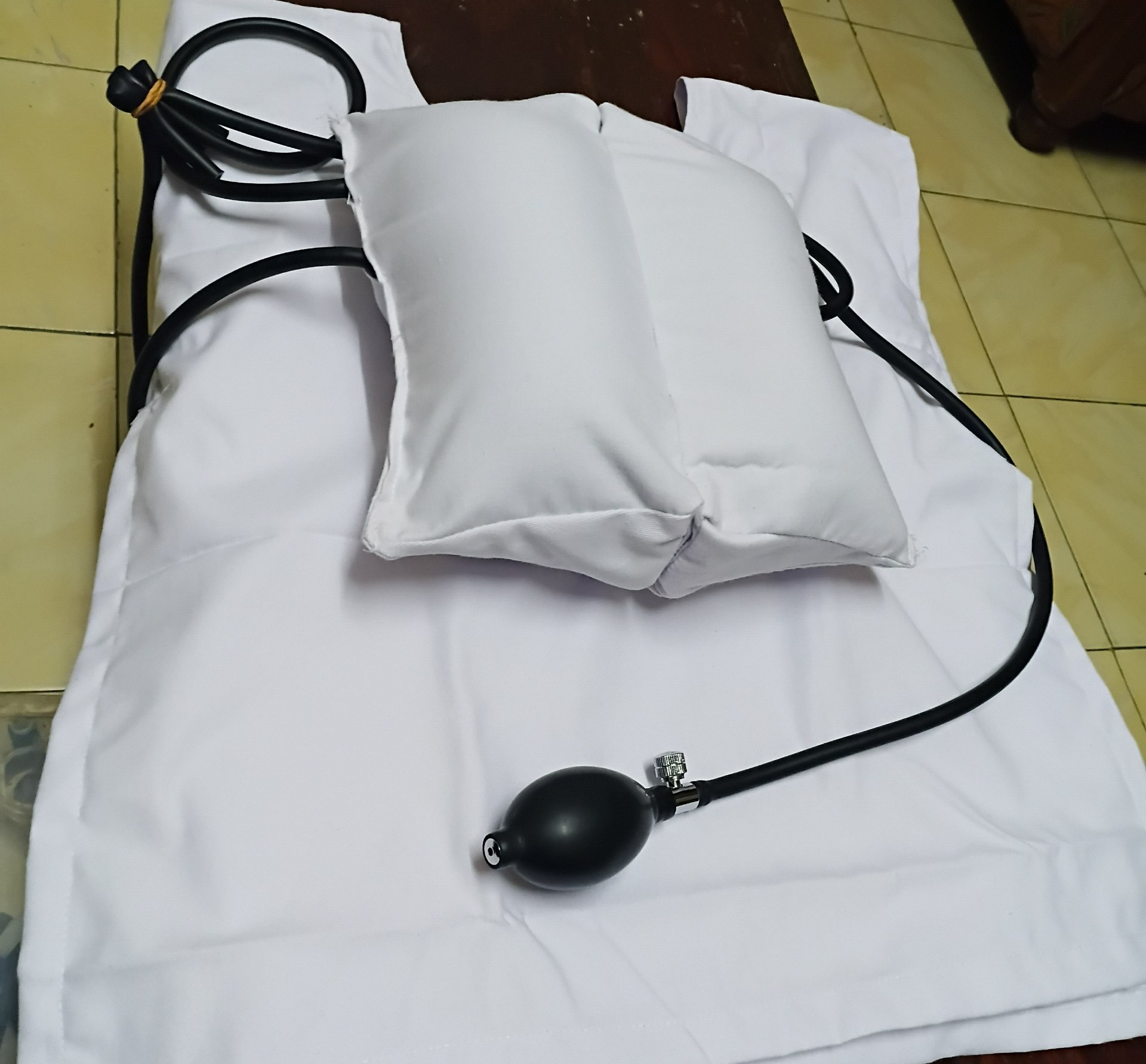
The first basic overlay jacket prototype was designed and stitched after exploring suitable designs, materials, and components, while the planned sensors were also tested successfully.

As part of the early prototype development phase of ResQ, we designed and stitched the first basic overlay jacket after researching suitable design options, materials, and required components. A BB bladder was selected and used as the pressure bag in this initial model to support the intended compression-based mechanism.

In parallel with the mechanical development, the sensors planned for the system were tested to verify their suitability for the prototype. The test results showed that the sensors were performing as expected, giving us confidence in the selected sensing approach and confirming that the current component choices are appropriate for the next development stage.

With the basic jacket structure completed and the sensor behavior validated, our next plan is to assemble all components together and develop a working basic prototype model for further testing, refinement, and integration.

Prototype Overlay Jacket Development
Testing Sensors

Prototype Overlay Jacket — Video Demonstration

A clear video summary of the first prototype build, the initial pressure mechanism test, and the key lessons learned for the next integration stage.

This update presents our first practical prototype of the ResQ overlay jacket. We prepared a basic stitched structure and connected a manual pressure setup to observe how compression input behaves through the jacket layer.

The video focuses on three points: physical fit of the jacket, response of the pressure section during repeated compression, and overall stability of the setup for future sensor integration.

Based on these observations, the next phase is to mount sensing components, collect repeatable test readings, and finalize a more robust combined prototype for validation.

Prototype Demonstration Video 1

Main demonstration of the pressure mechanism behavior.

Prototype Demonstration Video 2

Supplementary test clip from the same setup.

Prototype overlay jacket demo video — 17.04.2026

Core Firmware, Hardware, and Local Hub Pipeline Completed

We have successfully unified the ESP32-C3 firmware, hardware sensors, and a localized desktop dashboard to establish a live, end-to-end telemetry pipeline for ResQ.

As part of the system integration phase, we successfully completed the core firmware flow, Local Hub implementation, and physical hardware wiring for our basic working prototype. The ESP32-C3 firmware has been fully optimized to manage critical device operations, including network provisioning, secure pairing, session start/end controls, and the continuous streaming of real-time sensor telemetry via the MQTT protocol.

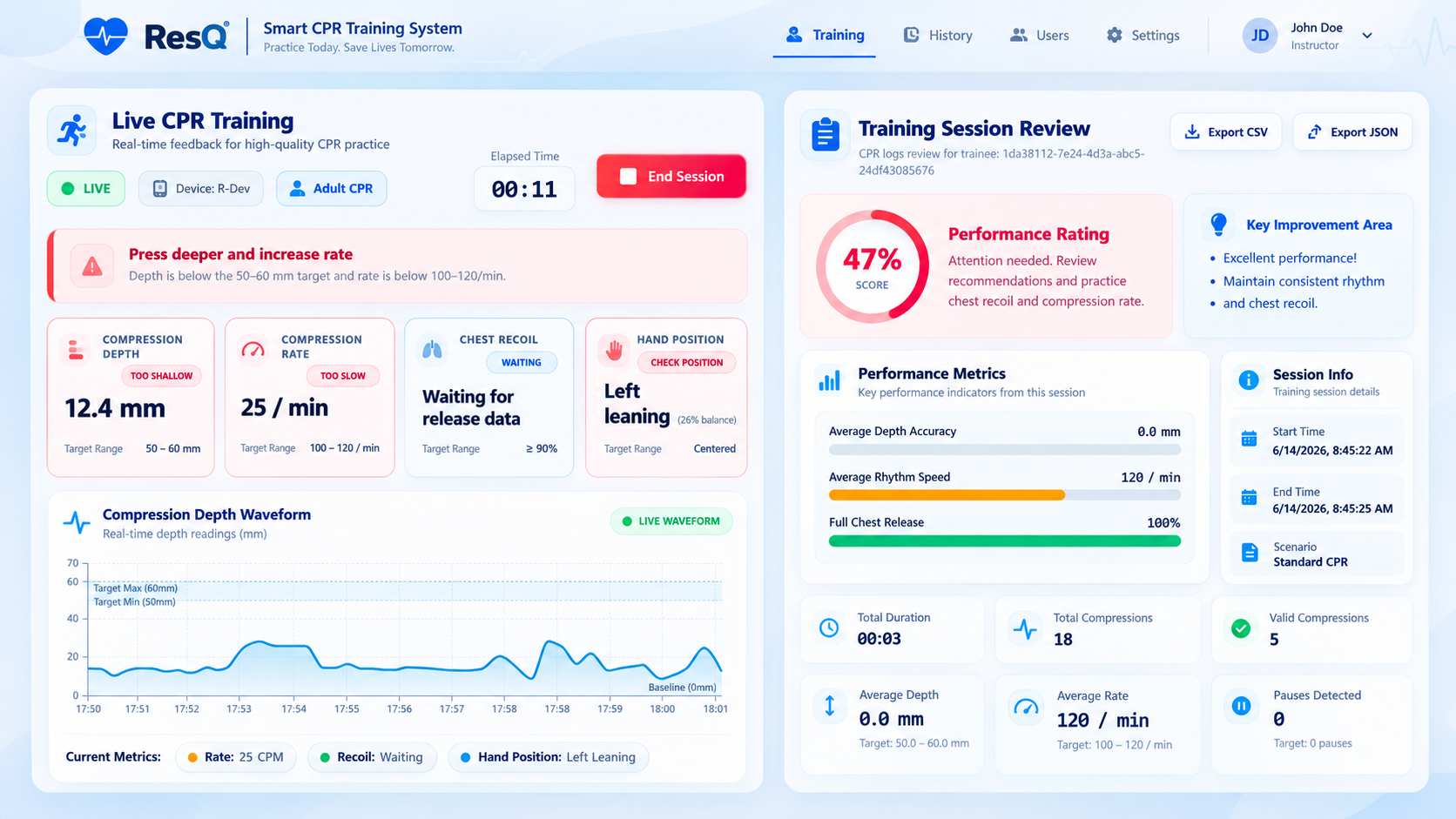
On the hardware side, the pipeline now actively processes inputs from integrated pressure sensors and Hall-effect sensors. In parallel, the ResQ Local Hub was developed to handle localized network operations. Built using a Node runtime within a lightweight Tauri desktop environment, the Hub hosts the local MQTT broker, manages backend microservices, and powers the interface designed for live session monitoring.

With the firmware, Local Hub, and hardware pipeline now connected end-to-end, the ResQ system is fully operational. We are now able to capture live data directly from the prototype jacket and visualize critical metrics on the dashboard in real time. Moving forward, our next steps will focus on system hardening, improving live-state responsiveness, and validating the setup across multiple simulated CPR training scenarios—specifically targeting the precise measurement of compression rate, recoil rate, depth, and hand placement.

Testing Output
Setup

MVP Presentation & Live Demonstration — Milestone 2 Completed

We successfully presented our Minimum Viable Product (MVP) for ResQ, showcasing an operational, end-to-end CPR training prototype to our evaluation panel.

We have reached a major project milestone by successfully completing our Milestone 2 MVP Presentation for ResQ. We presented the current progress of our working prototype to our evaluators, Ms. Yasodha Vimukthi, Mr. Thilina Gunarathne, and the instructors in charge. During the session, we delivered a live demonstration highlighting the successful integration of our ESP32-C3 firmware, seamless Local Hub connectivity via MQTT, instantaneous telemetry updates on the dashboard, and the functionality of our current prototype overlay system.

The presentation was highly successful, and we received positive validation regarding our MVP implementation, technical architecture, and overall system functionality.

As we transition into the next phase of development, the valuable feedback from the evaluation panel will guide our refinements. While we initially designed a stitched fabric overlay model as a cost-effective solution to avoid the high manufacturing expenses of traditional training manikins, the panel suggested finding a strategic middle ground. Moving forward, we will focus on enhancing the physical realism and tactile feel of the overlay jacket to better simulate an actual CPR training experience while still maintaining a budget-friendly design.

Presentation
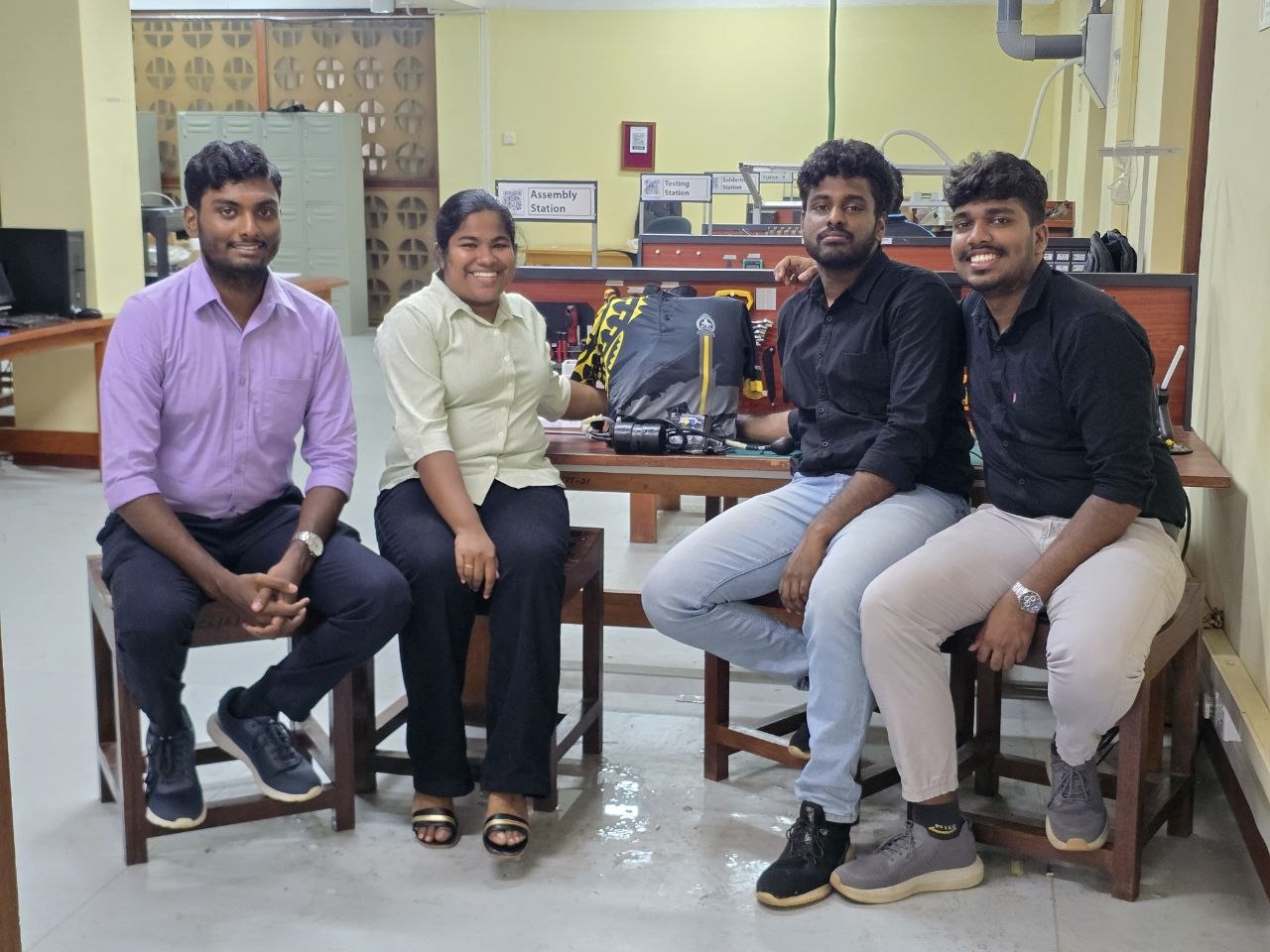
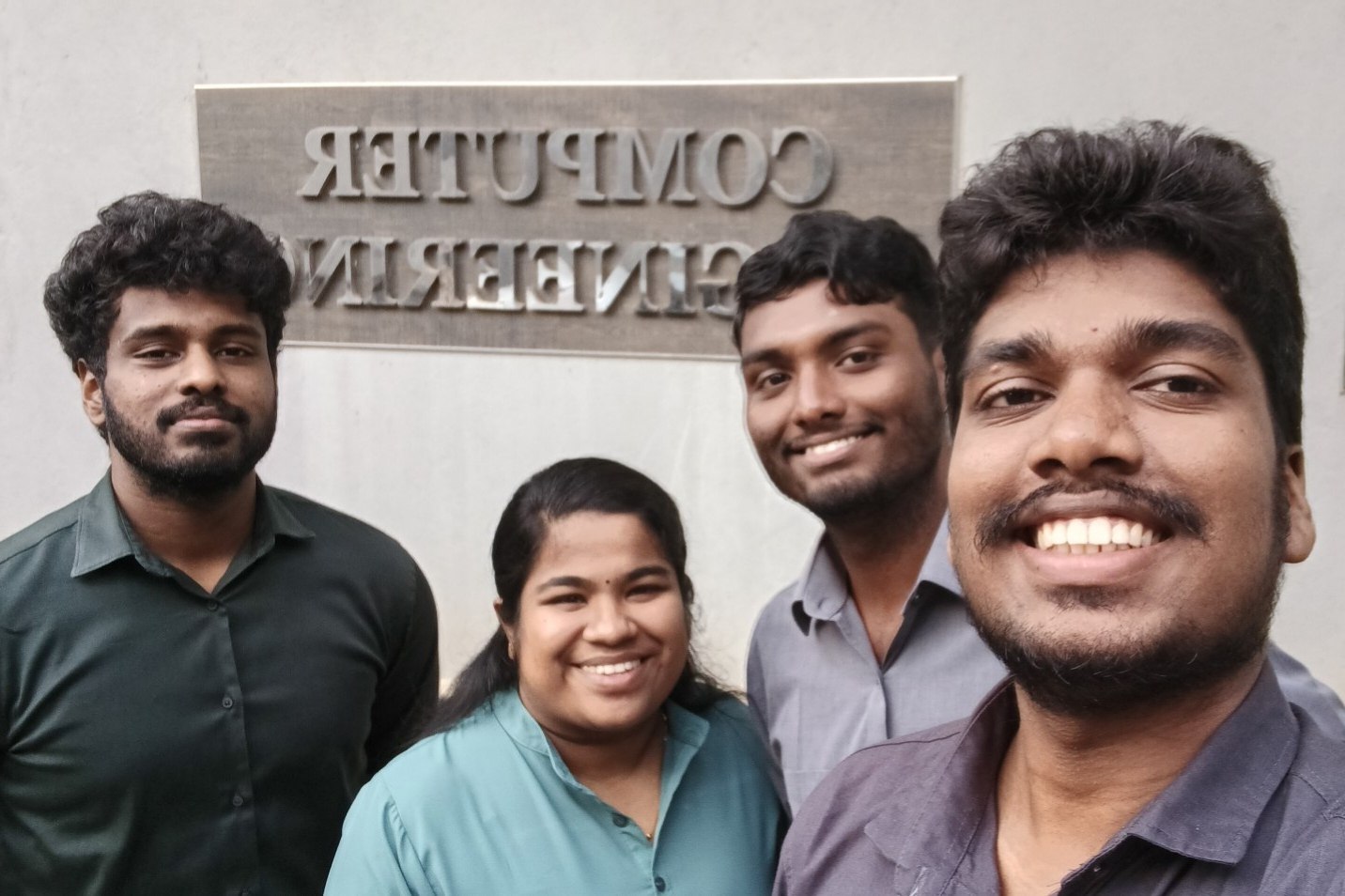
Team ResQ
Feedback
View MVP Presentation

Clinical Validation & Field Visit — Faculty of Allied Health Sciences

The ResQ team visited the University of Peradeniya's Skills Lab to gain hands-on insights from existing CPR training equipment and align the prototype with professional clinical standards.

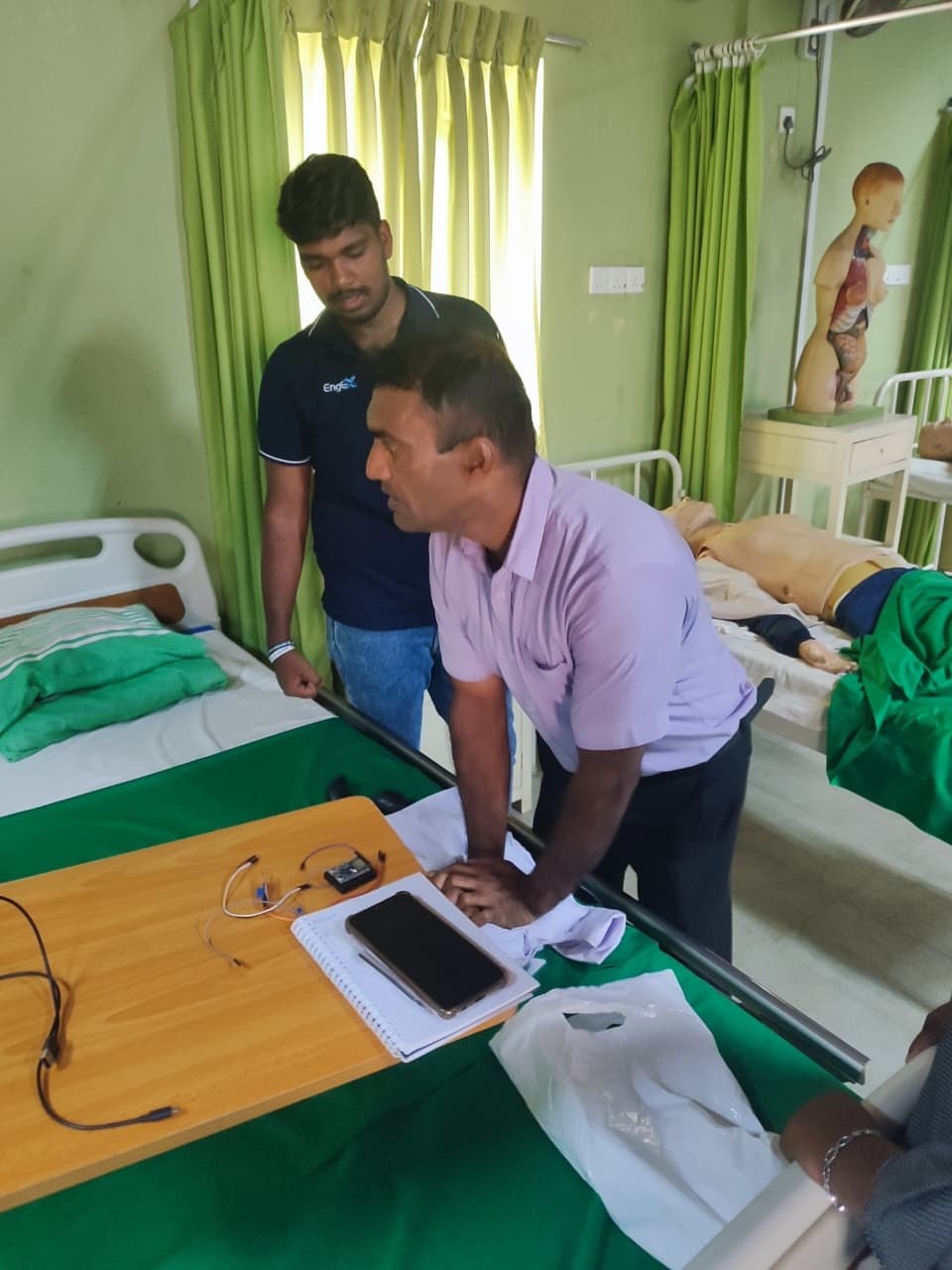
To ensure ResQ bridges the gap between engineering and medical reality, we conducted a vital field visit to the Skills Lab of the Faculty of Allied Health Sciences at the University of Peradeniya. The primary objective was to observe, test, and experience a professional, standard CPR training manikin in an authentic medical training environment. This hands-on experience gave us a much deeper understanding of the tactile realism, usability constraints, and physical durability required for effective CPR training equipment.

During the visit, we had the privilege of discussing the ResQ project with Professor H.D.W.T. Damayanthi Dassanayake. We presented our prototype concept and received invaluable expert feedback regarding strict clinical requirements, student user expectations, and areas where our technology could offer the highest pedagogical value.

This cross-faculty collaboration marks a major step forward for the project. The insights gained regarding anatomical resistance, user interaction, and clinical accuracy will directly guide our next design iterations—specifically targeting the optimization of our sensor placement and refining the manikin overlay to hit that perfect middle ground of cost-efficiency and realistic tactile feedback.

Overlay Realism check
Manikin

Software Infrastructure Completed — End-to-End System Integration

We have successfully implemented a robust firmware state machine and a fully integrated Local Hub backend, establishing a functional framework capable of running complete CPR training sessions.

The firmware was enhanced with a state machine architecture, session management, communication workflows, and interrupt-based handling for button presses and error conditions.

We have achieved a major technical milestone by finalizing the core software infrastructure of the ResQ system. This development bridges our embedded hardware layer and localized control systems, bringing us to a fully functional working version of the platform.

The software architecture was advanced across two parallel tracks:

  • Firmware State Machine Architecture: The ESP32-C3 firmware was upgraded to a reliable state machine architecture. This includes dedicated session management protocols, standardized communication workflows, and interrupt-based handling for immediate responses to physical button presses and unexpected error conditions.
  • Local Hub & MQTT Framework: The Local Hub backend is now seamlessly unified with our MQTT communication framework. This layer effectively handles device discovery and management, asynchronous data processing, session logging, and instantaneous dashboard state updates.

With these core software modules fully integrated, ResQ is now capable of running continuous, live-monitored CPR training sessions from start to finish. Having established a stable end-to-end data pipeline, our next phase will shift toward rigorous system testing, real-world data validation, and performance optimization under continuous operation.

Prototype Demonstration Video 3

24.05.2026

Hardware Refinement & Full-System Validation — Moving Closer to Production

We have finalized our custom CAD designs for 3D printing, successfully integrated our custom PCB, and conducted extensive full-system testing to isolate and resolve calibration issues.

The ResQ project has taken a major leap forward in physical development, focusing heavily on structural design, hardware consolidation, and rigorous full-system testing to transition our prototype into a refined, reliable product.

This phase achieved key milestones across three main areas:

  • Custom CAD & Physical Design: We finalized the comprehensive CAD modeling for the ResQ device casing and the protective PCB enclosure, optimizing them for 3D printing fabrication. Concurrently, we advanced the design of the chest overlay, evaluating specialized manufacturing solutions and materials to ensure structural durability and realistic physical resistance during compressions.
  • PCB Integration: Our custom PCB was finalized and mounted into the prototype. This allowed us to clean up the physical hardware footprint, eliminate loose wiring, and execute full-system testing that unifies the firmware, physical sensors, MQTT communication pipeline, and desktop dashboard.
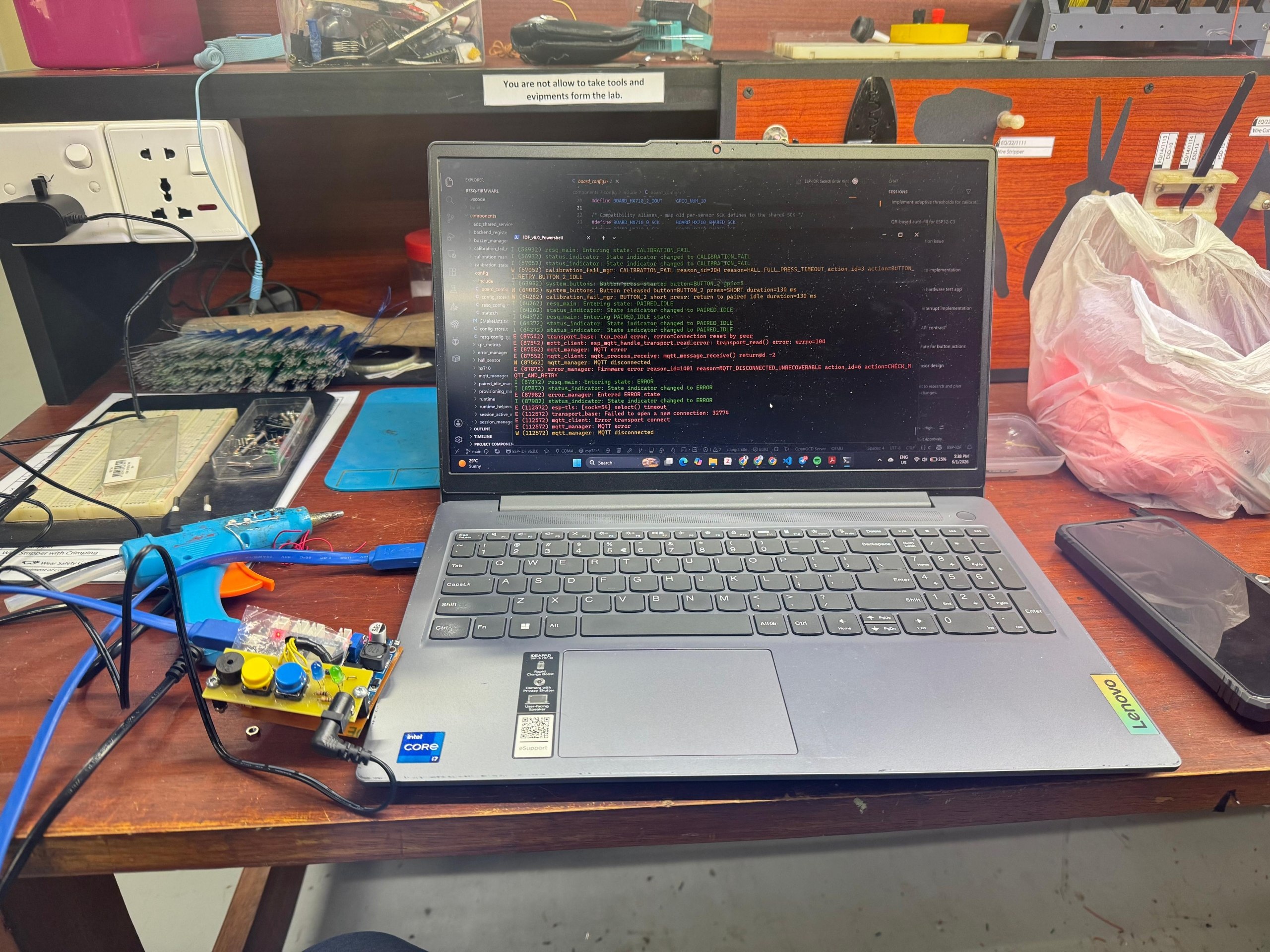
  • System Diagnostics & Calibration: Putting the fully integrated system through its paces under real-world conditions revealed critical calibration challenges. Our team thoroughly analyzed these data offsets and implemented firmware-level fixes, significantly increasing measurement accuracy and long-term system reliability.

With the physical architecture locked in and the end-to-end data pipeline thoroughly validated, ResQ is closer than ever to a dependable, deployment-ready CPR training solution.

CAD Design
PCB Mount
System Test
Calibration